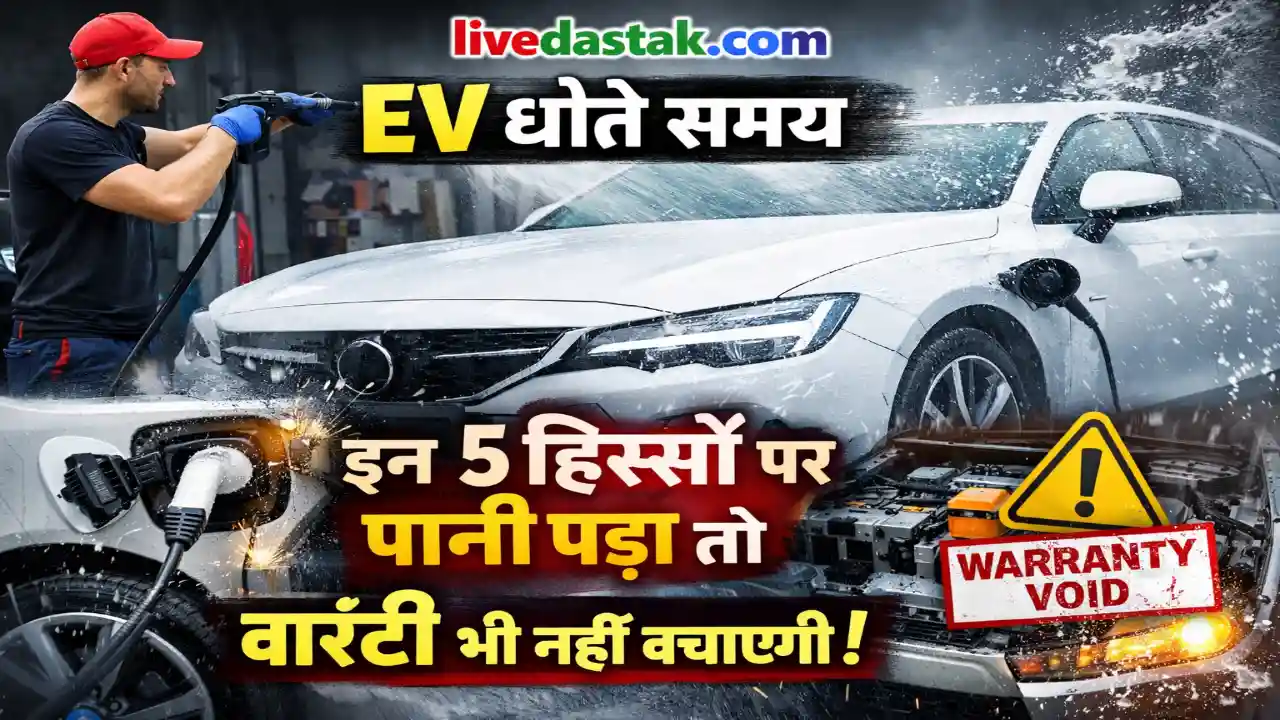

EV धोने का असली तरीका: इन 5 जगहों पर पानी मतलब पक्का नुकसान
पिछले महीने मेरे एक दोस्त ने Ola S1 Pro खरीदी। खुश था। तीन हफ्ते बाद उसने पेट्रोल पंप वाले से कहा — "भाई, ज़रा धो दे।"
पंप वाले ने वही किया जो वो हमेशा करता है। हाई-प्रेशर वॉटर जेट। हर तरफ से।
अगले दिन scooter ने charge लेना बंद कर दिया। Service center गया। Bill आया — ₹14,000।
यह कोई horror story नहीं है। यह हर उस शहर में हो रहा है जहाँ लोगों ने EV खरीदी है और उसे petrol scooter की तरह treat कर रहे हैं। और honestly? उनकी गलती भी नहीं है। किसी ने बताया ही नहीं।
EV और petrol vehicle की washing में फर्क सिर्फ "पानी कम डालो" वाला नहीं है। फर्क है — कहाँ डालो, कहाँ बिल्कुल नहीं, और किस pressure पर।
पाँच जगहें हैं जो हर EV में होती हैं — और इन पर पानी मारना मतलब धीरे-धीरे अपनी गाड़ी की जान लेना। आगे वही पाँच जगहें हैं, साथ में सही तरीका भी।
EV और पानी: दोस्ती है, लेकिन हद में
EV rain में चल सकती है — तो फिर washing से डर क्यों?
यह सवाल हर कोई पूछता है। और जवाब थोड़ा technical है, लेकिन एक बार समझ लो तो जिंदगी भर काम आएगा।
Rain में पानी ऊपर से गिरता है। Pressure कम, direction gravity-based, और scooter चलती रहती है जिससे natural drainage होता है।
Washing में? हम hose या pressure washer उठाते हैं और हर कोने में घुसाते हैं — नीचे से, साइड से, सीधे gaps में। यही फर्क है।
EV में electrical components, connectors, battery pack, और charging port होते हैं जो IP67 या IP65 rated हैं। यानी एक तरफ से limited pressure तक safe हैं। लेकिन जब आप pressure washer को सीधे किसी gap में डालते हैं — rating भी काम नहीं करती।
और एक बात। Petrol bike में पानी घुसा तो engine बंद हुई, सुखाई, चली। EV में पानी घुसा तो short circuit। Short circuit मतलब battery damage। Battery damage मतलब ₹30,000 से ₹1,50,000 का झटका।
तो आइए उन पाँच जगहों पर आते हैं।
1: Charging Port — सबसे vulnerable, सबसे ignore किया हुआ
यह EV का सबसे sensitive हिस्सा है। और ironically, यह वही जगह है जहाँ लोग सबसे ज़्यादा पानी मारते हैं — क्योंकि यह flap के पीछे छुपा है, तो लगता है safe है।
नहीं है।
Charging port flap rubber seal से बंद होता है, लेकिन यह seal perfect नहीं होती। खासकर 6-12 महीने बाद जब rubber थोड़ा wear होने लगता है। High pressure water इस seal को bypass कर सकता है। अंदर जाता है पानी — और अंदर हैं pins, connectors, और एक live electrical circuit।
क्या करें:
- Washing से पहले charging port flap को अच्छी तरह बंद करें
- उस पूरे area पर पानी डालने से बचें — या बहुत कम pressure से डालें
- Dry करने के बाद port खोलकर देखें — अगर नमी दिखे, compressed air से dry करें
- Port area को हमेशा damp cloth से पोंछें, direct water से नहीं
एक बात dealers कभी नहीं बताते — charging port के आसपास का area थोड़ा silicone grease से seal रखें। ₹50 का काम, ₹15,000 की बचत।
2: Battery Pack का निचला हिस्सा — नीचे से मत मारो पानी
EV का battery pack undercarriage में होता है। Ground से सिर्फ कुछ centimeter ऊपर। IP rating होती है, लेकिन वो rating controlled conditions के लिए है।
जब आप pressure washer को नीचे से ऊपर की तरफ angle करते हैं — पानी directly battery casing के edges पर पड़ता है। यहाँ weld lines होती हैं, drainage holes होते हैं, और कभी-कभी vent holes भी।
क्या होता है? पानी धीरे-धीरे seep करता है। तुरंत damage नहीं होता। लेकिन अंदर moisture रहती है। Corrosion शुरू होती है। 6 महीने बाद battery capacity 15-20% drop हो जाती है — और आप सोचते रहते हैं "कंपनी का software issue है।"
नहीं है। आपने खुद battery को धीरे-धीरे मारा।
क्या करें:
- Undercarriage पर कभी direct pressure washer नहीं
- नीचे से सिर्फ low-pressure hose, वो भी 45-degree angle पर
- Better option: damp cloth से undercarriage को wipe करें
- हर 3 महीने में battery pack के नीचे देखें — moisture या rust के signs
3: Motor और Controller Area — यहाँ पानी घुसा तो खेल खत्म
Hub motor (rear wheel में) और controller (आमतौर पर एक box जो body के अंदर होता है) — ये दोनों मिलकर EV को चलाते हैं।
Hub motor में IP rating होती है और यह काफी हद तक water resistant है। लेकिन "resistant" का मतलब "waterproof" नहीं है। और controller? वो तो और भी sensitive है।
Controller वो brain है जो battery से power लेकर motor को देता है। इसमें capacitors, MOSFETs, और wiring harness होती है। Direct high-pressure water और controller? बहुत महंगा combination।
Real problem यह है कि controller कहाँ है — यह हर manufacturer अलग जगह रखता है। Ola में floorboard के नीचे है। Ather में front apron के पीछे। TVS iQube में seat के नीचे।
जब आप बिना जाने उस exact जगह pressure washer डालते हैं — वो controller की कब्र खोद रहे हैं।
क्या करें:
- अपनी EV का manual एक बार पढ़ें — controller location note करें
- उस area को washing के दौरान avoid करें
- अगर बहुत गंदा है तो damp cloth + mild cleaner
- Motor area (rear wheel) को hose से wash कर सकते हैं — लेकिन pressure कम रखें, directly seal पर नहीं
Royal Enfield Continental GT-R 750: असली सड़क पर इस धांसू बाइक का जादू
4: Display और Instrument Cluster — "Waterproof" का मतलब यह नहीं था
Modern EV displays TFT screens होती हैं, IP rated होती हैं, rain में काम करती हैं। तो washing में क्या problem?
Problem यह है — rain की बूंदें random direction से आती हैं। Pressure washer की stream एक concentrated force होती है।
Display के edges पर gaskets होते हैं। Side से direct pressure इन gaskets को force open कर सकता है। एक बार पानी घुसा — LCD layer खराब, touchscreen dead, या display में permanent water marks।
Display replacement cost? ₹8,000 से ₹25,000 depending on brand।
लेकिन display के अलावा एक और चीज़ है जो लोग भूल जाते हैं — handlebar के नीचे के electrical connectors। Headlight, indicator, और horn के wires यहीं connect होते हैं। यह area अक्सर खुला रहता है और directly washing में expose हो जाता है।
क्या करें:
- Display पर कभी direct water नहीं — हमेशा microfiber cloth
- Screen protector लगाएं — washing में भी help करता है
- Handlebar area को side से नहीं, ऊपर से gentle hose
- Display के ऊपर और edges को बाद में dry cloth से पोंछें
5: Wiring Harness Entry Points — जो दिखता नहीं, वही सबसे ज़्यादा खतरनाक
यह पाँचवीं जगह सबसे कम discuss होती है — और सबसे ज़्यादा damage करती है।
EV में हर component के बीच wiring होती है। यह wiring body panels के अंदर से route होती है और बाहर निकलती है कुछ specific points पर। इन entry/exit points पर rubber grommets होते हैं जो seal का काम करते हैं।
Problem: ये grommets time के साथ hard हो जाते हैं। Indian heat में faster। और जब आप pressure washer से इन panel gaps पर पानी डालते हैं — पानी grommet के आसपास से seep होकर अंदर जाता है। Wires के साथ travel करता है। और किसी connector तक पहुँच जाता है।
यह damage तुरंत नहीं दिखता। अगले कुछ हफ्तों में — indicator suddenly काम नहीं करता। Brake light fail हो जाती है। या horn अपने आप बजने लगता है।
Intermittent electrical faults — जो mechanic को भी पकड़ने में घंटों लग जाते हैं — इसी से आते हैं।
क्या करें:
- Panel gaps पर कभी direct pressure नहीं
- हर 6 महीने में grommets inspect करें — crack या hardening check करें
- Worn grommets को ₹100-200 में replace कर लें — यह सबसे सस्ती EV maintenance है
- Washing के बाद 10 मिनट ride करें — natural air flow से drying होती है
तो फिर EV धोएं कैसे? पूरा सही तरीका
अब जब पता है कहाँ नहीं — तो कैसे धोएं वो भी जान लो।
Step 1: Preparation
- Charging port बंद करें
- Parked करें, ignition off
- अगर हाल में ride किया है तो 15 मिनट cool down करें — गर्म components पर ठंडा पानी = thermal stress
Step 2: Dry Dusting पहले
- Microfiber cloth से dry dust हटाएं
- यह scratch से बचाता है और washing easier बनाता है
Step 3: Low-Pressure Rinse
- Normal hose, pressure washer नहीं
- Top से नीचे की तरफ — gravity के साथ काम करें
- Sensitive areas avoid करें (वो पाँच जगहें जो ऊपर बताईं)
Step 4: Soapy Wash
- EV-safe या car wash shampoo, diluted
- Microfiber mitt से scrub करें
- Panel by panel, top to bottom
Step 5: Rinse
- फिर से low-pressure, top to bottom
- Edges और gaps में pressure मत डालें
Step 6: Drying — यह सबसे important step है
- Microfiber towel से pat dry करें — rub नहीं
- Charging port area: compressed air या dry cloth
- 10-minute gentle ride या strong fan से air dry
Step 7: Final
- Tyre dressing optional लेकिन nice
- Matte finish है तो matte-safe product use करें
- Display पर anti-glare screen guard लगाएं अगर नहीं है
Products जो actually काम करते हैं
यह कोई sponsored section नहीं है। Genuinely जो मैंने use किया और अच्छा पाया:
| ज़रूरत | Product | कीमत |
|---|---|---|
| Car shampoo | 3M Car Shampoo | ₹350 |
| Microfiber cloth | किसी भी brand का 400 GSM | ₹150-300 |
| Compressed air | Small air duster can | ₹200 |
| Silicone spray | WD-40 Specialist Silicone | ₹250 |
| Detailing spray | Meguiar's Quik Detailer | ₹400 |
Total investment: ₹1,400। एक बार की repair से बचाएगा ₹10,000-50,000।
किन EVs में यह ज़्यादा ध्यान रखना है?
सब EVs में same rules apply होते हैं, लेकिन कुछ में extra caution:
Ola S1 / S1 Pro: Controller और battery placement tricky है। Underbody washing strictly avoid करें।
Ather 450X / 450 Apex: Build quality अच्छी है, लेकिन front apron के पीछे के connectors sensitive हैं।
TVS iQube: Seat के नीचे electronics हैं — seat off करके कभी direct washing नहीं।
Bajaj Chetak: Older models में IP rating comparatively कम है। Extra careful।
Hero Vida V1: Relatively better sealed, लेकिन charging port area still sensitive।
एक बात जो showroom में कोई नहीं बताता
जब EV खरीदते हैं तो salesperson बताता है — range, features, subsidy, EMI। Washing? वो topic ही नहीं आता।
मैंने पिछले एक साल में कम से कम 8 EV owners से बात की है जिनका washing-related damage हुआ। सब ने एक ही बात कही — "मुझे पता ही नहीं था।"
यह information gap है। और यही वजह है कि India में EV ownership experience अभी भी mixed है। गाड़ी अच्छी है, लेकिन owners prepared नहीं हैं।
EV एक electric appliance है जिसे आप बाहर चलाते हैं। उसे वैसे ही treat करें — care से, समझ से।
आखिरी बात — 5 rules याद रख लो
अगर पूरा article नहीं पढ़ा तो कम से कम यह पाँच lines याद कर लो:
- Charging port पर कभी direct water नहीं
- Undercarriage पर pressure washer नहीं
- Display को cloth से पोंछो, pipe से नहीं
- Panel gaps में pressure मत डालो
- Wash के बाद properly dry करो — moisture छोड़ी नहीं
यह rules follow किए तो EV 5-7 साल आराम से चलेगी। नहीं किए तो service center वाला खुश होगा, आपकी जेब नहीं।
आपकी EV है, आपकी responsibility है। और अब आपके पास जानकारी भी है।
कोई सवाल हो — नीचे comment करें। अगर आपके साथ भी washing से related कोई incident हुआ है तो ज़रूर share करें — दूसरों के काम आएगा।
❓ FAQ
Q1: क्या EV को pressure washer से धो सकते हैं?
A: Technically possible है लेकिन recommended नहीं। Pressure washer का इस्तेमाल करना हो तो low-pressure setting पर करें और charging port, display, undercarriage, panel gaps से दूर रखें। सबसे safe option है normal hose और microfiber cloth — यही combination EV की life बढ़ाता है।
Q2: EV को कितने दिनों में धोना चाहिए?
A: Heavy dust areas में हफ्ते में एक बार। Normal use में 10-15 दिन में एक बार काफी है। बारिश के मौसम में भी washing ज़रूरी है क्योंकि muddy water residue बैठता है। लेकिन हर बार proper dry करना ज़रूरी है।
Q3: क्या EV की battery water से खराब हो सकती है?
A: हाँ — indirect तरीके से। एक बार पानी घुसने से battery तुरंत नहीं जाती, लेकिन अंदर moisture रहने से corrosion होती है। यह corrosion धीरे-धीरे battery capacity कम करती है। Severe cases में short circuit और complete battery failure होती है जो ₹50,000+ का खर्च है।
Q4: Monsoon में EV चलाना safe है?
A: बिल्कुल safe है — सभी mainstream EVs IP67 या IP65 rated हैं जो heavy rain के लिए sufficient है। Problem riding में नहीं, washing में है। Rain का natural flow और low pressure safe है; washing का concentrated pressure नहीं।
Q5: EV washing के लिए कौन सा soap use करें?
A: Normal car wash shampoo जो pH-neutral हो, EV के लिए ठीक है। Harsh detergents, dishwash liquid, या acid-based cleaners avoid करें — ये paint और rubber seals दोनों को नुकसान पहुँचाते हैं। 3M या Meguiar's के car shampoo easily available हैं और safe हैं।